Following a confrontational Juneteenth presentation before the Keizer City Council last month, the city will reconsider its proclamation process.
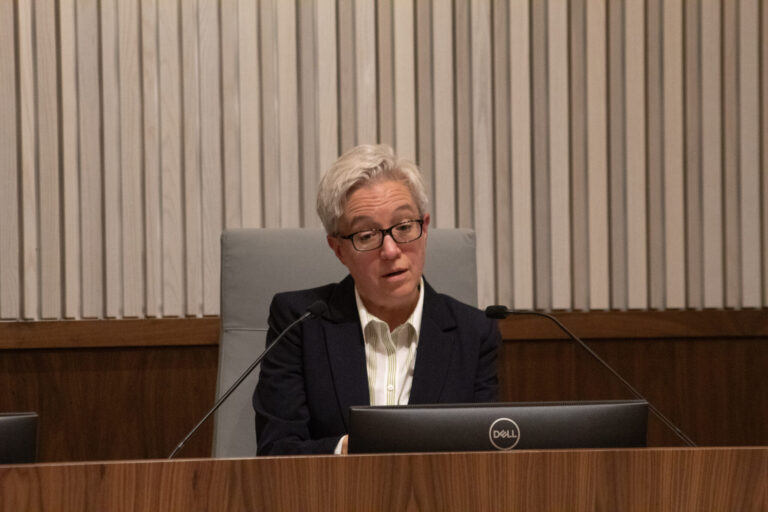
“The tone, framing, and targeted nature of the speaker’s remarks were not aligned with the collaborative approach our committee strives for,” Sara Ngo, vice chair of the Community Diversity Engagement Committee, wrote in an apology letter to the council.
Moving forward, Committee Chair Jane Titchenal said that proclamations will undergo evaluation beforehand. In the past, proclamation presenters only had rough guidelines.
“As a committee, we are actively reflecting on how we can strengthen our processes around speaker selection and proclamation messaging,” the apology letter read, which Titchenal signed.
She nominated Juli Ray Joy, the founder of the nonprofit Black Joy Oregon, to give the proclamatory speech on June 16.
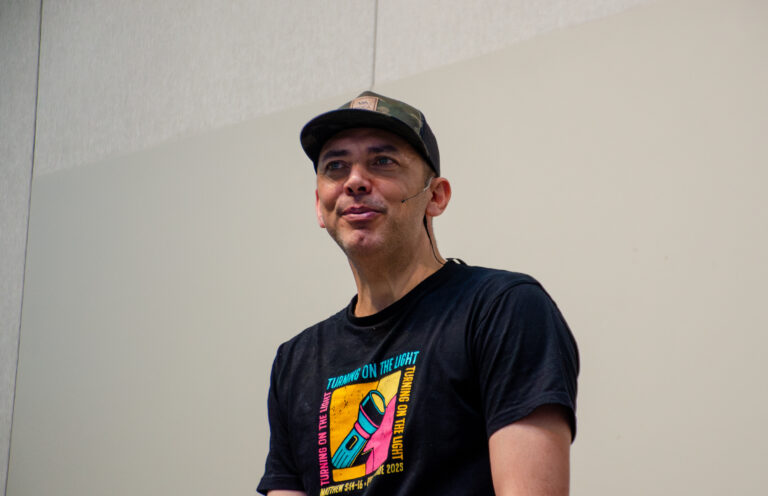
“I want to thank you for this proclamation and for the opportunity to speak to the significance of this important day,” Joy said before councilors and at least 50 spectators.
“Juneteenth is not only a celebration of delayed emancipation, it is a living reminder of the ongoing struggle for justice, dignity, and liberation for the Black people in this country.”
As Joy’s speech continued, her posture transposed into contention.
“While I accept this proclamation, I do so with full awareness and unwavering conviction, not in celebration alone but in protest and in principled confrontation,” Joy said.
Tension filled the room as Joy itemized ways she felt that the council opposes Keizer’s Black residents. She accused councilors of bypassing people of color for city appointments.
Among other allegations, she claimed that unnamed councilors have dined complacently with white nationalists.
“So I must ask. What does this proclamation mean in the face of all that?”
Finger snaps of approval echoed from the audience. Councilors made no comment during the meeting.
In retrospect, Joy said she wasn’t nervous when approaching the microphone.
“It’s always scary to be the dissenting voice in the room,” Joy said. “I wasn’t particularly nervous, but I also knew that that wasn’t what they were looking for.”
Although she anticipated controversy, she didn’t realize her proclamation would ruffle “folks’ feathers.”
“I wanted to honor the community members that I serve. I wanted to be a voice for them…and a proclamation is just that. You’re proclaiming something,” she said. “I knew [the council] wanted to feel good, and I knew this wasn’t going to do that.”
Joy founded Black Joy Oregon in 2020. The nonprofit advocates for people of color throughout the state such as helping those in need and uplifting women into positions of community leadership. She also runs a community farm in Keizer.
“When I hear Juli speak, I feel like she brings truth, she brings context, and she brings passion,” Titchenal said.
She wasn’t aware of what Joy would say, though Titchenal encouraged Joy to bring energy and passion.
Following the proclamation, councilors and committee members voiced their opinions to Ngo and Titchenal. Ngo then drafted an apology letter, which Titchenal later signed.
“The language that was used when I was speaking to folks was that basically they wanted an apology, they wanted the situation to be acknowledged, and they wanted to know that steps were going to be taken to make sure that, moving forward, proclamations are going to be more collaborative,” Titchenal said.
Councilor Marlene Parsons said the message detracted from Juneteenth itself.
“We felt that the message wasn’t very well received because it wasn’t about that day. It was about her struggles,” she said. “Juneteenth is a very monumental day, and I thought the speaker would talk about its history and how far we’ve come.”
In the past, committee members were given a list of proclamations to assign presenters. Ngo said that minimum guidelines were tagged onto the assignment.
She said that “educational” and “informative” were keywords that Dawn Wilson, the deputy city recorder, used to describe ideal proclamations. Wilson told Ngo that issues and concerns were better fit for the public comment section.
Ngo invited the Pride Month’s proclamatory presenter, Marci Wilken, for the June 2 council meeting.
“I was proud to help select our Pride Month presenter, whose presence and message were received with warmth and respect. That experience reaffirmed the importance of intentionality in how we invite community voices into civic spaces,” she wrote in her letter.
She wants a more structured process involving review and feedback from committee members going forward.
Titchenal said the committee is developing new guidelines.
“We can recognize that what [Juli] shared could’ve been a great conversation to be had in a space where we could’ve had a collaborative back-and-forth,” she said.
Titchenal hoped the apology letter would acknowledge a range of perspectives, both on the council and committee. She later reflected that a formal statement may have only added to the tension.
“The narrative that Black women are too passionate or that they’re combative when they speak up…I don’t want that to be the story here because I don’t believe it’s true,” she said.
Joy was displeased to hear about the council’s desire for a revised proclamation process.
“I think the fact that they are now asking for guidelines…is very telling,” she said. “What was said was an invitation to correct the ways that folks of color living in Keizer feel unheard and unsafe.”
News tip? Contact reporter Riley Ellis: r[email protected].
SUBSCRIBE TO OUR DIGITAL NEWS SERVICE: Get around-the-clock access to news about Keizer with a digital subscription to the Keizertimes. It’s secure, is available at $10 a month, and takes just a moment when you go HERE. Your support for local journalism is vital.